Care & Health
Pasture Board vs Stall Board: How to Choose
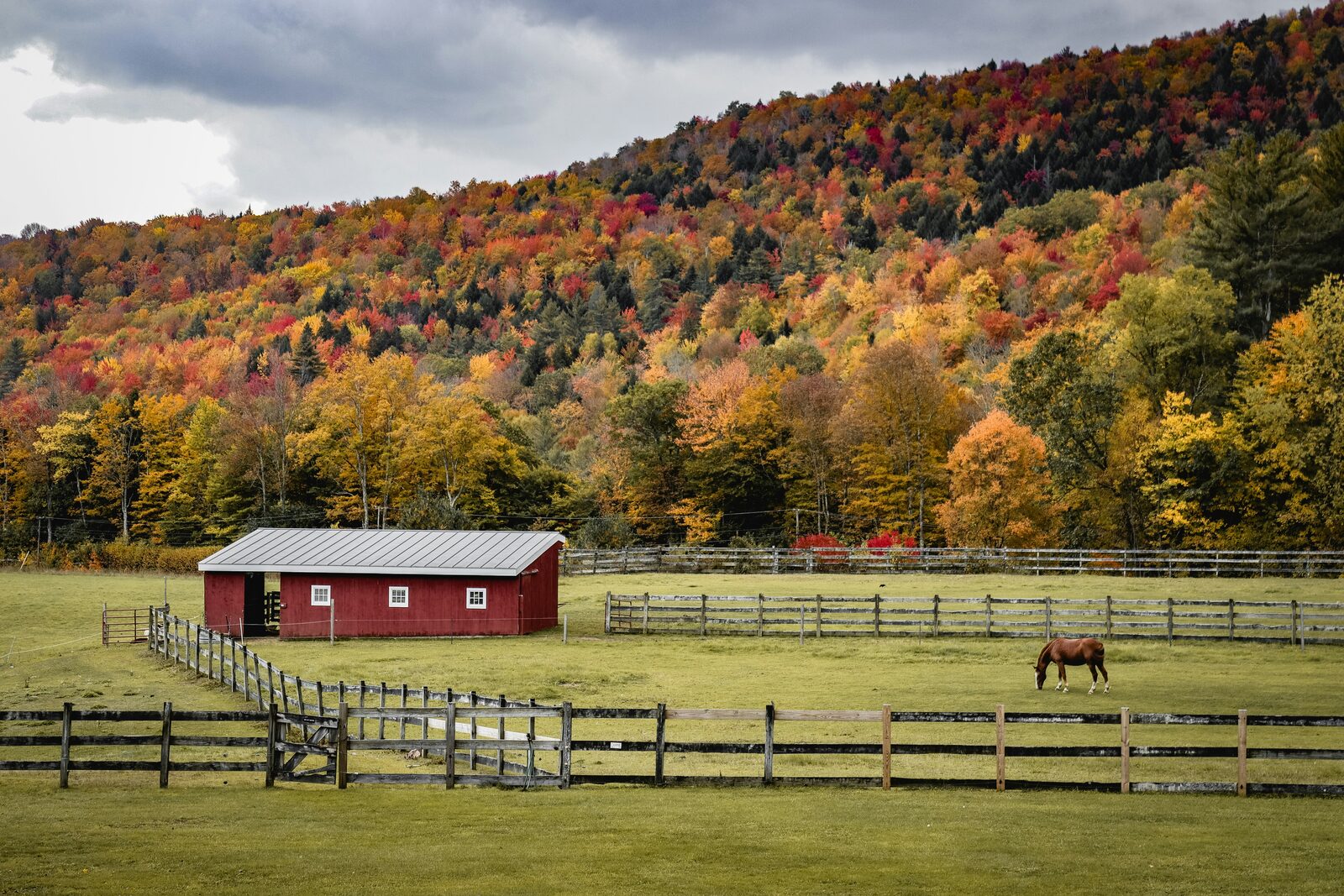
Horses evolved to live in herds on open land, and the veterinary literature consistently shows more turnout leads to better health outcomes: fewer colics, lower stress, stronger bones. But more isn't all. Stall confinement is medically necessary for injured horses, breeding stallions, or extreme weather without shelter. The right choice depends on your horse's specific needs, not a one-size-fits-all answer.
Key takeaways
- Stalled horses show a documented higher rate of impaction colic than pastured horses, per veterinary reporting in The Horse and Stable Management.
- There's a hierarchy of turnout thresholds, not one number: 1hr legal minimum, 4 to 6hr recommended minimum, 8 to 12hr where research shows clear benefit, 24/7 optimal for most healthy horses.
- Full-time pasture access shows the strongest bone-density benefit, per turnout research reviewed by Dr. Eleanor Kellon, VMD.
- Stall time is the right call for horses in post-injury recovery, on vet-directed activity restriction, or facing genuinely severe weather without safe shelter.
- Ask a barn for specific turnout hours and herd setup, not just whether they offer pasture board, since the label alone can mean very different things.
Every horse owner touring barns eventually hits this question: pasture board, stall board, or something in between? The veterinary literature leans firmly toward more turnout being better for most horses, but “most” is doing real work in that sentence.
Is Pasture Board Better for Horses?
Horses evolved to move almost constantly and live in herds. Confinement works against both of those defaults, and the research reflects it.
Stalled horses show meaningfully higher rates of impaction colic than pastured horses, and roughly 62% of impaction colic cases cluster within two weeks of a management change like sudden confinement. Source: Nancy S. Loving, DVM, The Horse and Stable Management.
Her reporting also notes that pastured horses cover several times the daily distance of stalled horses with only occasional turnout, and that the extra movement correlates with lower resting heart rate, faster recovery after exercise, and greater bone density.
Dr. Thomas R. Lenz, a past president of the American Association of Equine Practitioners (AAEP), reports through the American Quarter Horse Association that restricting a horse’s movement, social contact and grazing is linked to behavioral problems like weaving and cribbing, and that confined horses tend to be harder to handle, train and load.
A 2025 peer-reviewed study in the Journal of Equine Veterinary Science found horses with restricted turnout duration showed more physiological stress markers and stereotypic behavior than horses with more open access.
Pasture Board vs Stall Board: Side-by-Side Comparison
| Pasture board | Stall board | |
|---|---|---|
| Daily movement | Up to 6.7 miles/day | As low as 2.8 to 3.2 miles/day |
| Impaction colic risk | Lower | Higher (per veterinary reporting) |
| Social contact | Herd access | Limited or isolated |
| Bone density | Strongest benefit at full-time access | Lower without added turnout |
| Best suited for | Most healthy horses | Post-injury recovery, vet-directed rest, severe weather |
| Shelter requirement | Three-sided run-in shed minimum | Barn/stall structure |
How Many Hours of Turnout Does a Horse Need?
Confusion around turnout usually comes from treating it as one number, when it’s really a hierarchy of thresholds:
- Legal minimum. In the states that regulate it at all, as low as 1 hour a day.
- Recommended minimum. Most vets put the real floor around 4 to 6 hours for meaningful benefit.
- Where research shows clear gains. 8 to 12 hours a day is where studies consistently show better bone density and fewer soft-tissue problems.
- Optimal for most healthy horses. Full-time (24/7) pasture access with adequate shelter, water and forage.
Where your horse should land on that scale depends on age (growing horses generally benefit most from more turnout), discipline, existing injuries, and what’s realistic at the barns available to you.
When Is Stall Board the Right Choice?
None of this means stalls are bad. A horse recovering from surgery, on vet-ordered activity restriction, managing certain metabolic conditions, or riding out severe weather without safe outdoor shelter is often better off with more controlled stall time, at least temporarily. The goal isn’t zero stall time, it’s making sure confinement is the exception used for a reason, not the default because it’s more convenient for the barn.
What to Ask a Barn About Turnout
Rather than asking “do you do pasture or stall board,” ask for specifics: how many hours of turnout per day, is it solo or with a herd, what’s the shelter setup, and what happens on bad-weather days. Two barns can both say “pasture board” and mean very different things.
Sources: Nancy S. Loving, DVM (The Horse, Stable Management); Dr. Thomas R. Lenz via AQHA; Dr. Eleanor Kellon, VMD (turnout research review); Journal of Equine Veterinary Science (2025, peer-reviewed).
Frequently asked questions
Is pasture board better for horses?+
For most healthy horses, more turnout correlates with better outcomes. But an injured horse, a stallion needing separate management, or a horse without safe shelter may need more stall time. It depends on the individual horse.
How many hours of turnout does a horse need?+
There's a hierarchy, not one number: a legal minimum as low as 1 hour in some states, a recommended floor of 4 to 6 hours, clear research benefits starting around 8 to 12 hours, and full-time (24/7) access considered optimal for most healthy horses.
Can horses live outside 24/7?+
Yes, most healthy horses can, given constant access to water, forage and adequate shelter such as a three-sided run-in shed. It's not appropriate for horses in rehab, close medical supervision, or extreme climates without shelter.
What is full-care boarding?+
Full-care means barn staff handles feeding, turnout and stall cleaning for you. It doesn't by itself tell you how much turnout your horse gets; ask about the specific schedule separately.
When is stall board necessary instead of pasture board?+
Stall time makes sense for horses recovering from injury or surgery, those on vet-directed activity restriction, horses with certain metabolic or respiratory conditions, and during severe weather without adequate outdoor shelter.
Read next
Ready to find the right barn?
Browse hundreds of stables across the US, no sign-up required.
Search by city →