Care & Health
Hay Quality 101: What to Look For When Your Barn Provides Hay
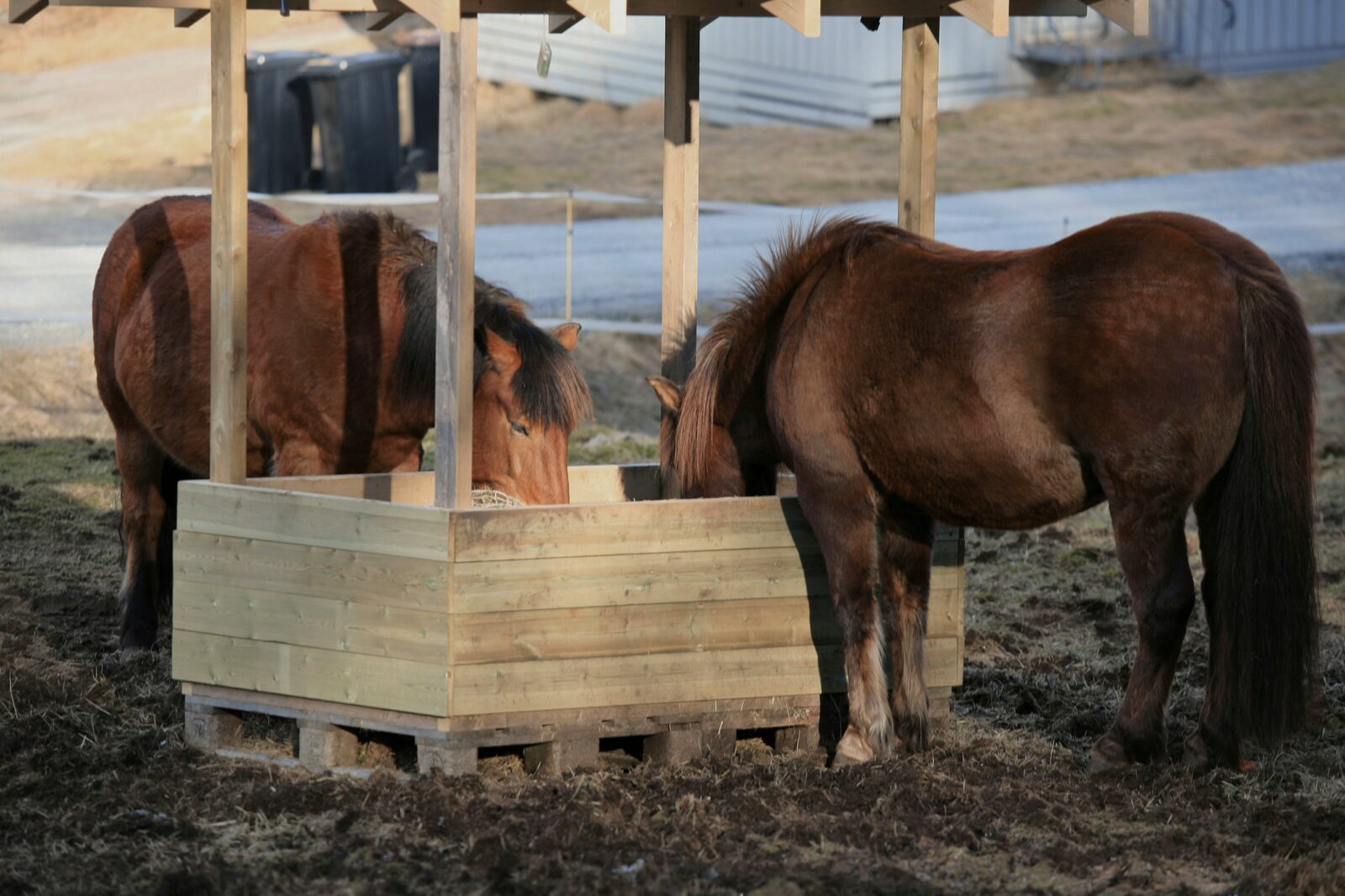
Good hay is green to golden, smells fresh (never musty), and doesn't crumble or throw visible dust when shaken. Timothy and orchard grass are common cool-season hays; alfalfa is a higher-protein legume; bermuda is a common warm-season Southern hay. For horses with a metabolic condition, a lab hay analysis checking protein and sugar (NSC) content matters more than visual inspection alone.
Key takeaways
- Mold, dust, discoloration and brittle texture are the four visible warning signs of poor-quality hay, per Oregon State and University of Minnesota Extension.
- Storage matters as much as the hay itself; even good hay degrades fast if kept damp or exposed to sun and rain.
- Timothy, orchard grass, alfalfa and bermuda serve different purposes; none is universally best.
- A hay analysis (protein %, NSC levels) matters most for horses with metabolic conditions like insulin resistance or Cushing's.
- Ask your barn whether they test hay and whether you can see a recent result if your horse's health makes it relevant.
If your barn supplies hay, and most full-care boarding does, you’re trusting someone else’s judgment on one of the biggest factors in your horse’s day-to-day health. You don’t need to become a hay expert, but knowing what to look for closes the gap between “the barn says the hay is good” and actually knowing.
What Are the Different Types of Horse Hay?
Timothy and orchard grass are cool-season grass hays, moderate in protein and generally lower in sugar than legume hays, common across the Northeast and Midwest per Oregon State University Extension and University of Minnesota Extension. Alfalfa is a legume, not a grass: notably higher in protein and calcium, often fed as a supplement to grass hay rather than a horse’s only forage. Bermuda grass hay is a warm-season grass common in the South, generally lower in protein than timothy or orchard but a reasonable staple when quality is good.
None of these is objectively “the best hay.” The right type depends on your horse’s workload, metabolic status, and what’s regionally available.
What Does Poor-Quality Hay Look Like?
According to guidance from Oregon State University Extension, University of Minnesota Extension, and Carl Majewski at the University of New Hampshire Extension, the warning signs are consistent:
Musty or moldy hay smells off before it looks off. Trust your nose first.
- Dust. Shake a flake. Visible dust clouding up signals mold spores or excessive plant debris, either of which can irritate a horse’s respiratory system.
- Color. Good hay is green to golden. Hay that’s gone gray, brown or bleached white throughout (not just the outer layer of a bale, which is normal from sun exposure) has likely lost nutritional value.
- Texture. Brittle, overly dry, crumbly hay has probably been stored too long or improperly.
Any single sign is worth a closer look. Multiple signs together are worth asking the barn directly where the hay is sourced and how it’s stored.
Does Hay Storage Affect Quality?
Nancy S. Loving, DVM, writing in The Horse, and University of Minnesota Extension both emphasize that hay quality degrades fast under bad storage conditions, even hay that was excellent when baled.
Proper storage means kept dry, off the ground, and with enough airflow to prevent condensation from building up inside a stack. Source: University of Minnesota Extension.
Moisture wicks up from bare dirt or concrete, so hay stacked directly on the ground is at risk even under a roof. If your barn stores hay in an open-sided shed exposed to rain, or stacked directly on a dirt floor, that’s worth asking about even if the hay looks fine today.
When Should I Get a Hay Analysis?
For most healthy horses in light-to-moderate work, visual and smell checks are enough. But if you’re managing a horse with a metabolic condition (insulin resistance, Cushing’s/PPID, or a history of laminitis), sugar content matters directly, and you can’t see sugar content. Krishona Martinson, an Extension equine specialist at the University of Minnesota, and Penn State Extension both recommend a hay analysis in these cases, checking:
- Crude protein (CP%). How much protein the hay provides.
- NSC (non-structural carbohydrates). The sugar and starch content, the number that matters most for metabolic horses.
- ADF/NDF. Fiber measures related to digestibility and how much a horse will actually eat of it.
Ask your barn whether they test hay, and whether you can see a recent result if your horse’s health makes it relevant.
Sources: Oregon State University Extension Service; University of Minnesota Extension (Krishona Martinson, Extension equine specialist); University of New Hampshire Extension (Carl Majewski); Penn State Extension; Nancy S. Loving, DVM (The Horse).
Frequently asked questions
What's the difference between timothy, orchard, alfalfa and bermuda hay?+
Timothy and orchard are cool-season grass hays with moderate protein. Alfalfa is a legume with higher protein and calcium, often fed as a supplement. Bermuda is a warm-season Southern grass hay. None is universally best; it depends on your horse's needs.
How can I tell if hay is bad without a lab test?+
Check for a musty smell, visible dust when shaken, discoloration (should be green to golden, not gray or brown throughout), and a brittle, crumbly texture. More than one of these is worth asking the barn about.
Do I need to get hay tested?+
Not always. It matters most for horses with a metabolic condition like insulin resistance or Cushing's, where sugar (NSC) content in the hay directly affects management.
Ready to find the right barn?
Browse hundreds of stables across the US, no sign-up required.
Search by city →